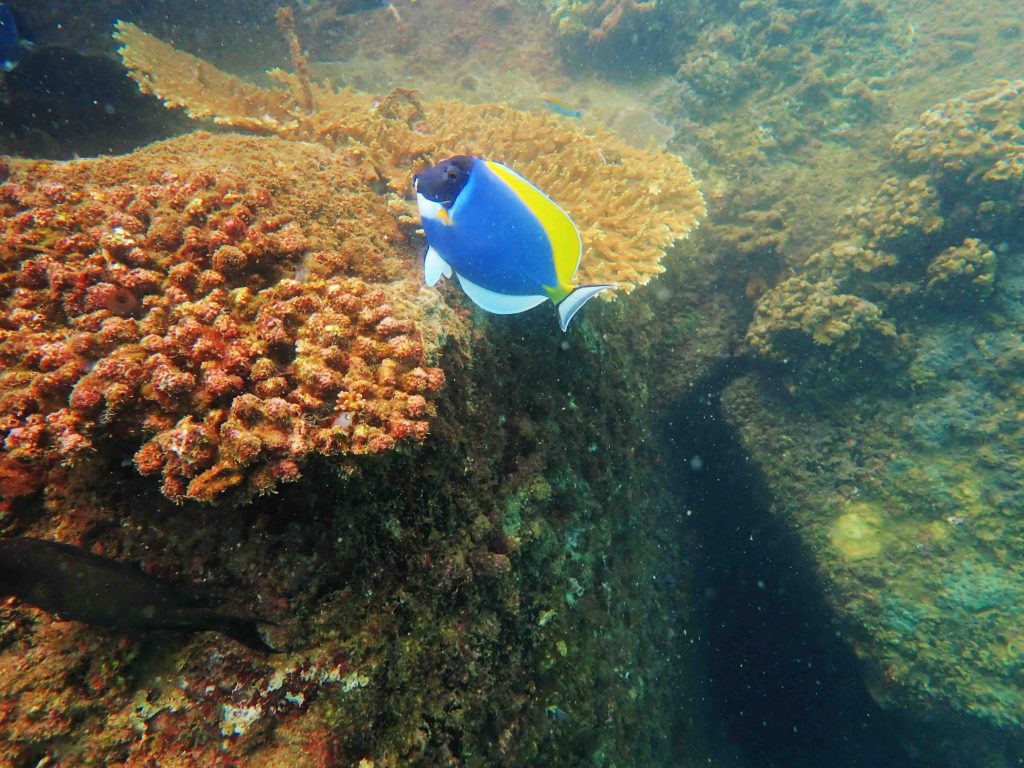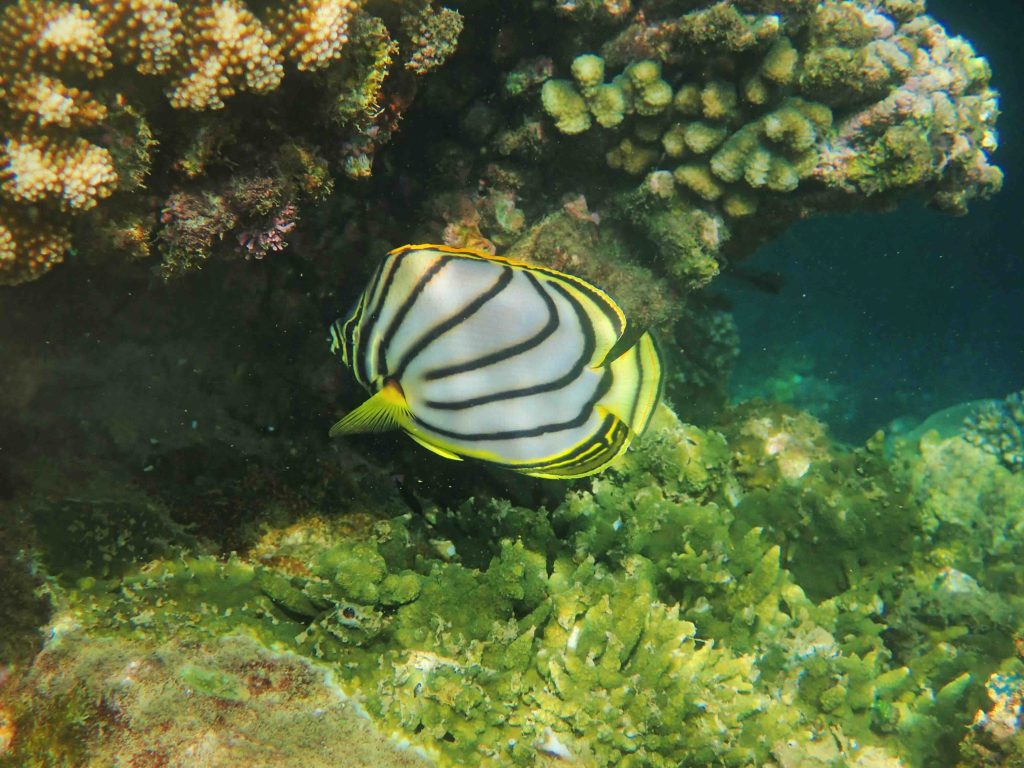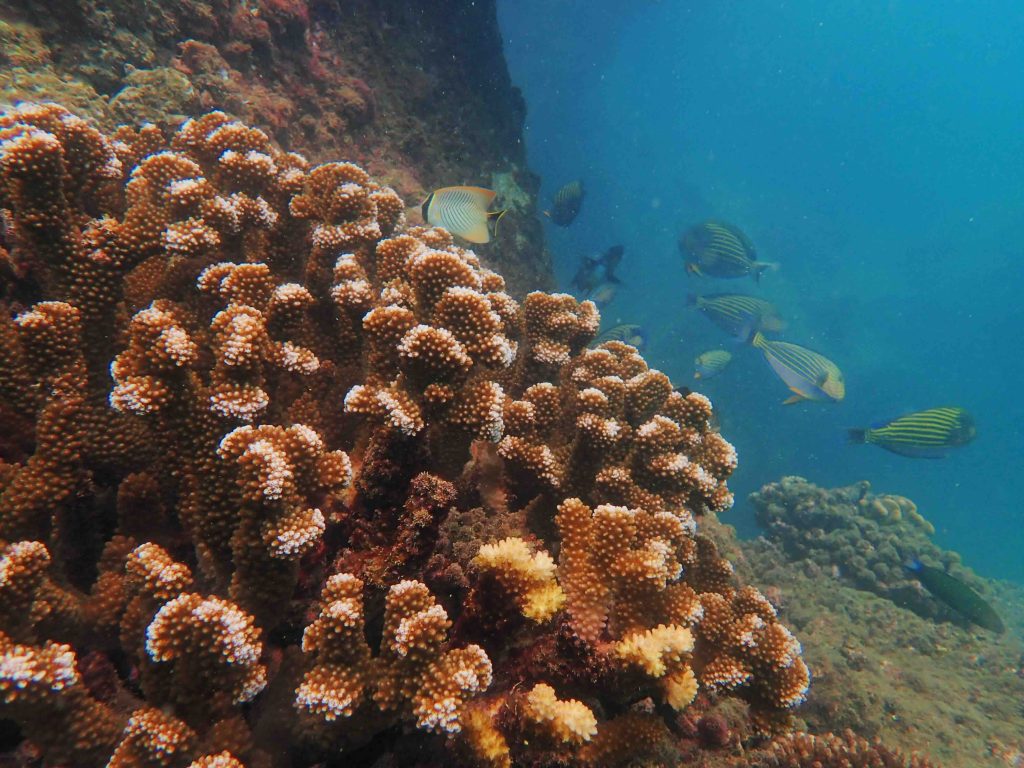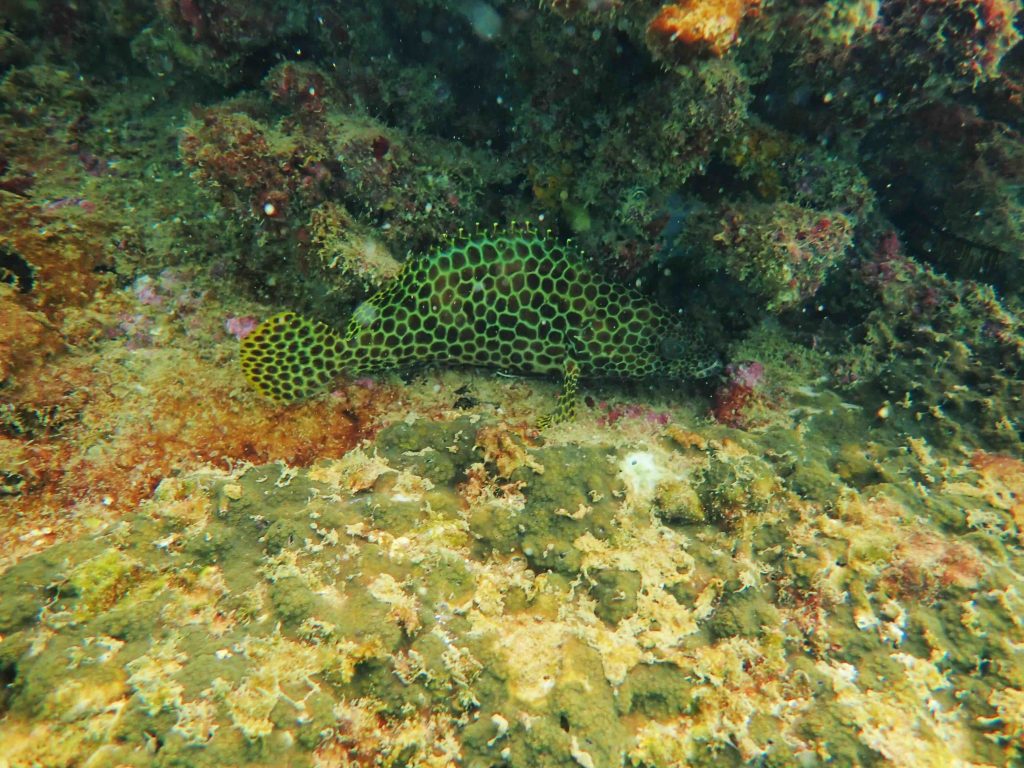
COLOMBO, Sept 1, 2025 (ePRESS) – A new scientific study has revealed that Hambantota International Port (HIP) is not only a rising economic hub but also a hidden jewel for marine biodiversity in southern Sri Lanka.
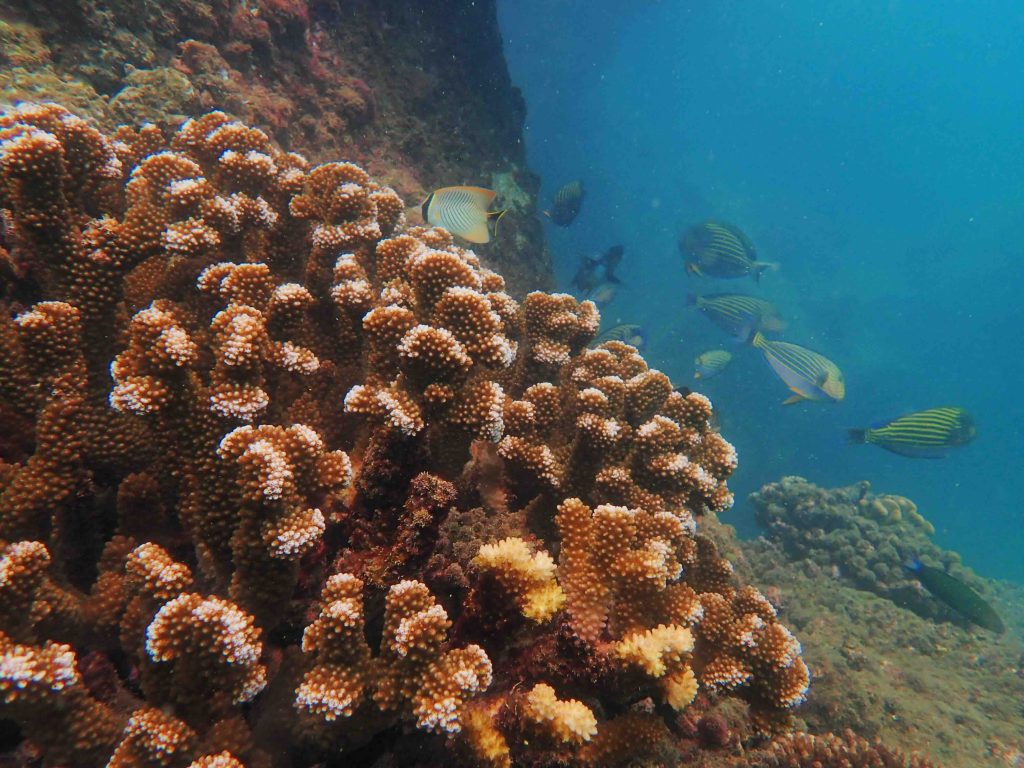
Researchers from the Department of Fisheries and Marine Sciences at the Ocean University of Sri Lanka found that the reef built around HIP, though man-made, now supports the highest diversity of reef fish in the south — surpassing natural hotspots such as Weligama, Polhena, and Thalaramba.
Using a standardised survey method, scientists measured biodiversity by observing fish species and feeding behaviour in shallow waters between 0.5 and 5 meters deep. The results were striking. HIP scored 2.3 on the Shannon-Weiner Diversity Index, compared to 1.8 at Weligama, 1.6 at Polhena, and just 1.1 at Thalaramba.
The reef’s ecological balance has created ideal conditions for coral recovery and structural growth. This natural regeneration has supported a healthy food web, with species ranging from small ornamental fish to large commercial catches.
More than eight species were found only inside the HIP bay. Among them were the Blue Green Chromis (Chromis viridis) and the Redfin Butterflyfish (Chaetodon lunulatus). Economically important species such as trevallies, emperors, and lobsters were also present, underlining the reef’s role in both biodiversity and local fisheries.
Fishermen operating near the port have already reported higher catch rates, suggesting the reef may be acting as a breeding and nursery ground for marine life.
The findings show that Hambantota Port is not only a centre for trade and investment but also an unexpected sanctuary for marine ecosystems. Experts say this dual role highlights the need to protect and manage HIP’s marine environment, which could benefit both the fishing community and long-term economic growth.